In the early 1900s, Milwaukee was an industrial city full of noise, smoke, and ambition.
1901 – William S. Harley completes the first blueprint for a small gasoline engine designed for bicycles.
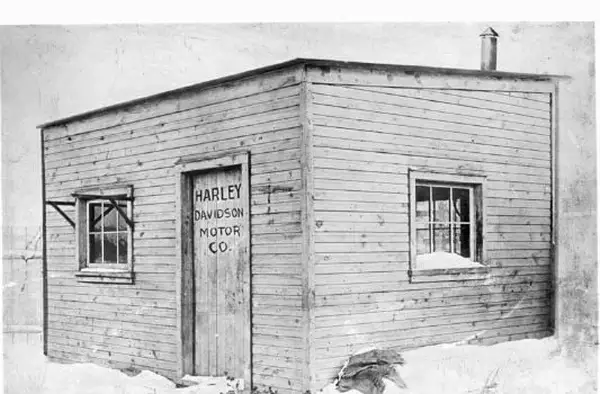
In a small wooden shed behind the Davidson family home, William S. Harley and Arthur Davidson began experimenting with a small engine mounted on a bicycle frame. What started as a backyard project would soon become one of the most legendary motorcycle brands in history.
1903 – Harley-Davidson is officially founded in Milwaukee, Wisconsin, inside a small wooden shed behind the Davidson family home.
Harley-Davidson was officially founded in 1903, and that humble shed is now a symbol of the American dream built on grease, bolts, and obsession.
1903 Original Harley-Davidson Shed
1907 – Harley-Davidson is incorporated as a company and begins expanding commercial production.
By 1907, Harley-Davidson was already producing motorcycles commercially and introducing technological improvements that made their machines more reliable and powerful.
1909 – Harley-Davidson introduces its first V-Twin engine, defining the brand’s future sound and torque-driven identity.
In 1909, the company launched its first V-Twin engine, defining the signature Harley sound and torque-heavy riding experience that would later become a cultural icon. The V-Twin marked the beginning of Harley’s identity as a powerhouse on the road.
1909 Harley-Davidson V-Twin
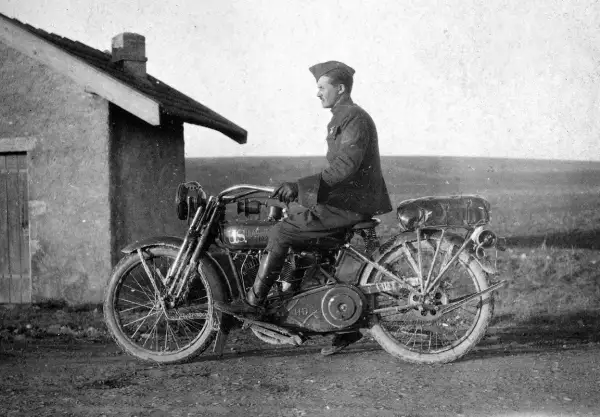
1914–1918 – World War I: The U.S. military orders thousands of Harley-Davidson motorcycles, boosting global recognition.
During the 1910s and 1920s, Harley-Davidson expanded rapidly, becoming the largest motorcycle manufacturer in the world. Racing victories, endurance records, and military contracts helped solidify the brand’s reputation.
1920 – Harley-Davidson becomes the largest motorcycle manufacturer in the world, exporting to dozens of countries.
When World War I broke out, the U.S. Army ordered thousands of Harley motorcycles, exposing soldiers to the brand and spreading its fame worldwide.
Harley-Davidson J – World War I
1933 – Introduction of the Flathead V-Twin and Art Deco styling during the Great Depression, helping the company survive economic collapse.
In the 1930s, despite the Great Depression, Harley-Davidson survived while many competitors disappeared. The company introduced new models and refined its engineering, building a loyal customer base that viewed Harley not just as a motorcycle, but as a symbol of American resilience.
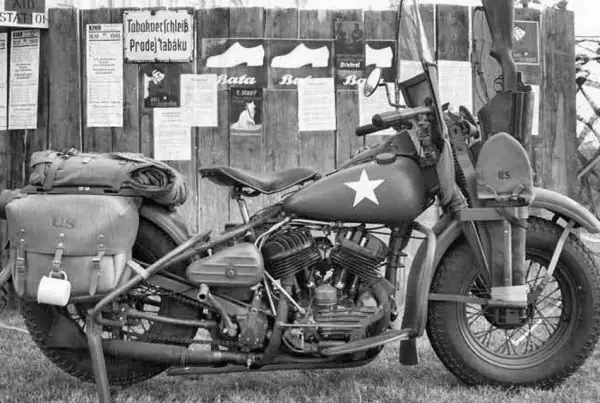
1941–1945 – World War II: Harley-Davidson produces more than 90,000 WLA military motorcycles for Allied forces.
The 1940s changed everything. During World War II, Harley-Davidson produced more than 90,000 motorcycles for the Allied forces. The legendary WLA model became known as the “Liberator,” and soldiers rode Harleys across Europe and the Pacific. When the war ended, veterans returned home with a taste for speed, camaraderie, and rebellion, forming the first motorcycle clubs and shaping the modern biker culture.
Harley-Davidson WLA – World War II
1957 – Launch of the Harley-Davidson Sportster, one of the longest-running motorcycle lines in history.
In the 1950s and 1960s, Harley-Davidson became associated with outlaw biker culture and Hollywood. Films and media portrayed riders as rebels, outsiders, and freedom seekers.
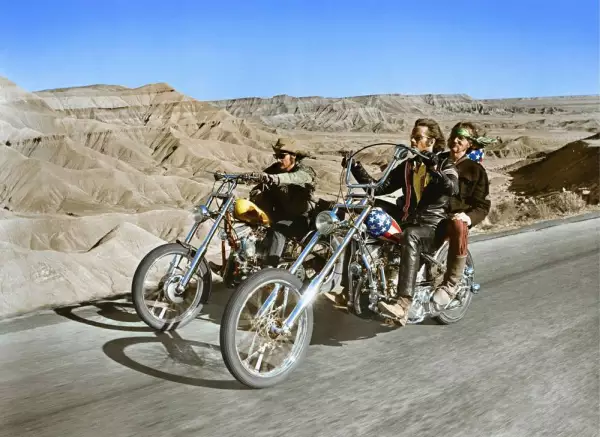
1969 – Release of the film Easy Rider, turning Harley choppers into global counterculture icons.
The 1969 film Easy Rider transformed Harley into a cinematic icon, with chopper-style bikes becoming a symbol of counterculture and individuality.
1969 film Easy Rider
1960s/1970s – The late 1960s and 1970s were turbulent years for the company.
Harley-Davidson was acquired by AMF (American Machine and Foundry), which led to increased production but declining quality. Enthusiasts criticized the bikes, and Japanese manufacturers like Honda and Yamaha began dominating the market.
1981 – Harley-Davidson management buys the company back from AMF, beginning a historic turnaround.
However, in 1981, a group of Harley executives bought the company back, marking the beginning of a historic comeback.
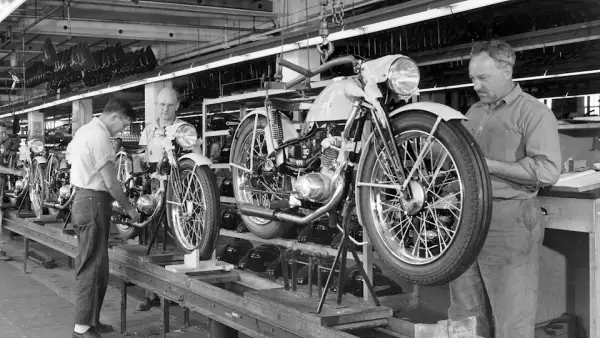
Harley-Davidson factory
In 1984, Harley-Davidson introduced the Evolution engine, which restored reliability and performance.
The brand reinvented itself, embracing heritage, craftsmanship, and lifestyle marketing. By the 1990s and early 2000s, Harley-Davidson had become a premium lifestyle brand, with riders forming global communities and clubs.
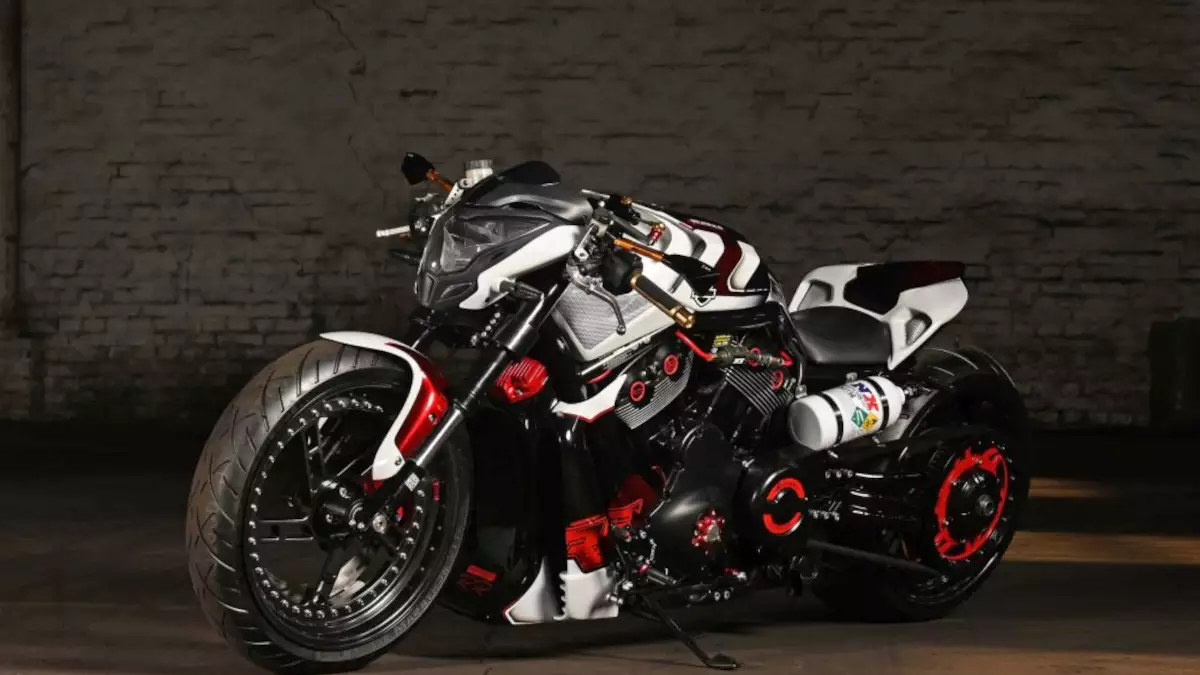
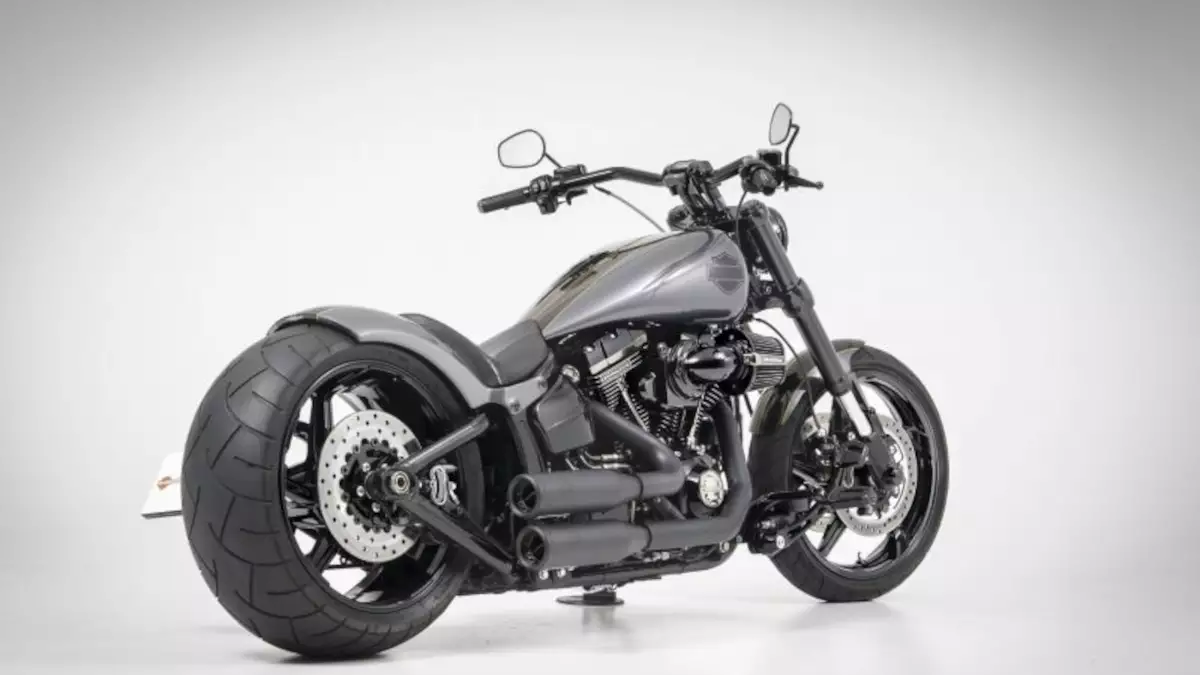
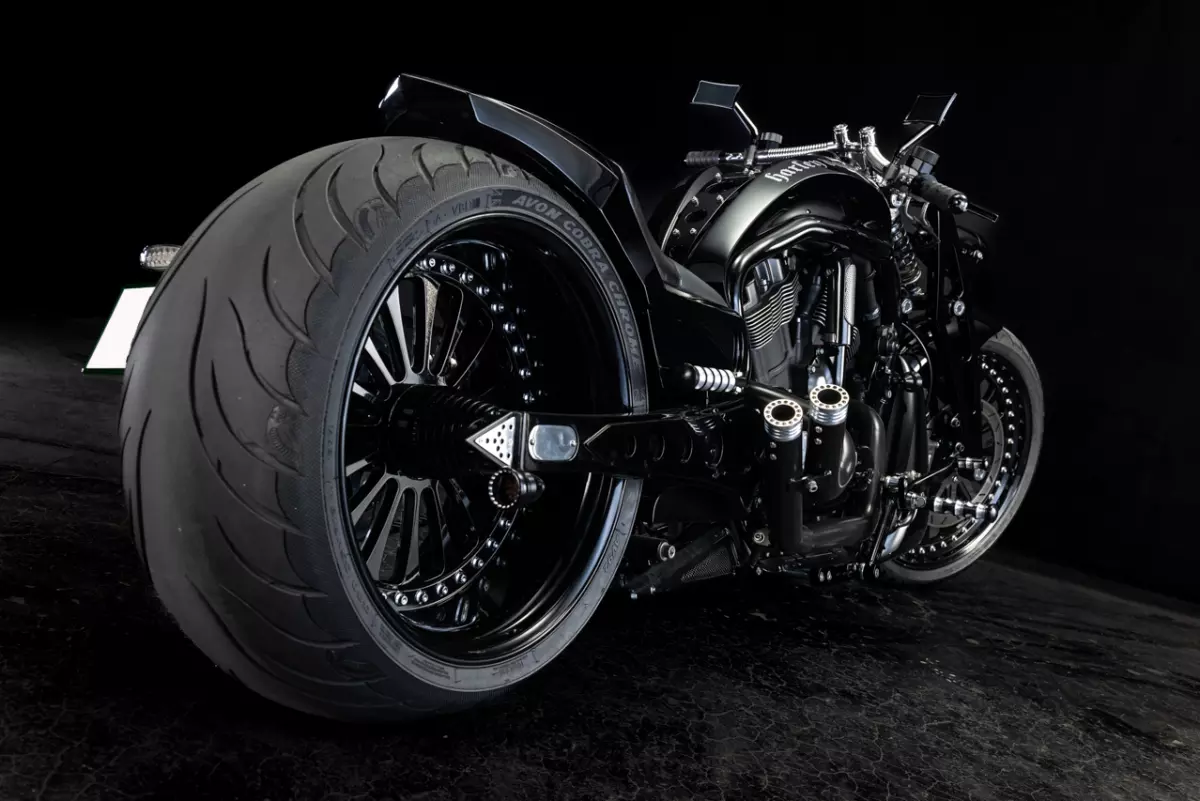
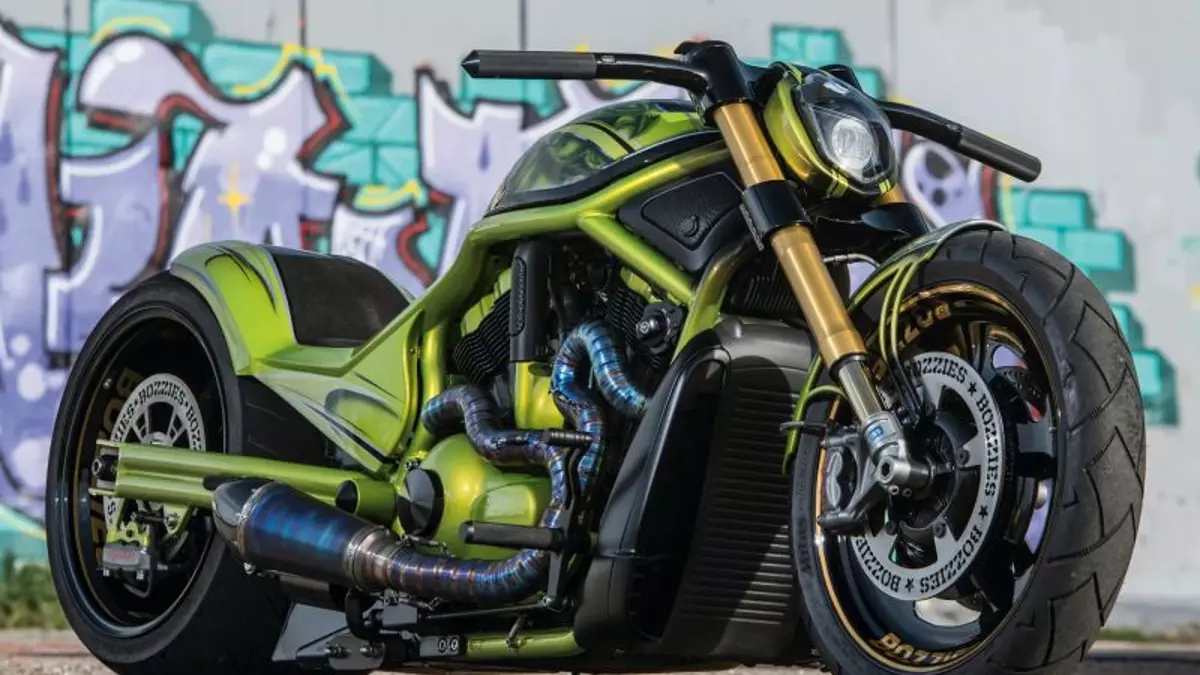
In the 2000s, Harley-Davidson expanded its lineup with iconic models like the Softail, Fat Boy, Breakout, and the revolutionary V-Rod, developed with Porsche engineering.
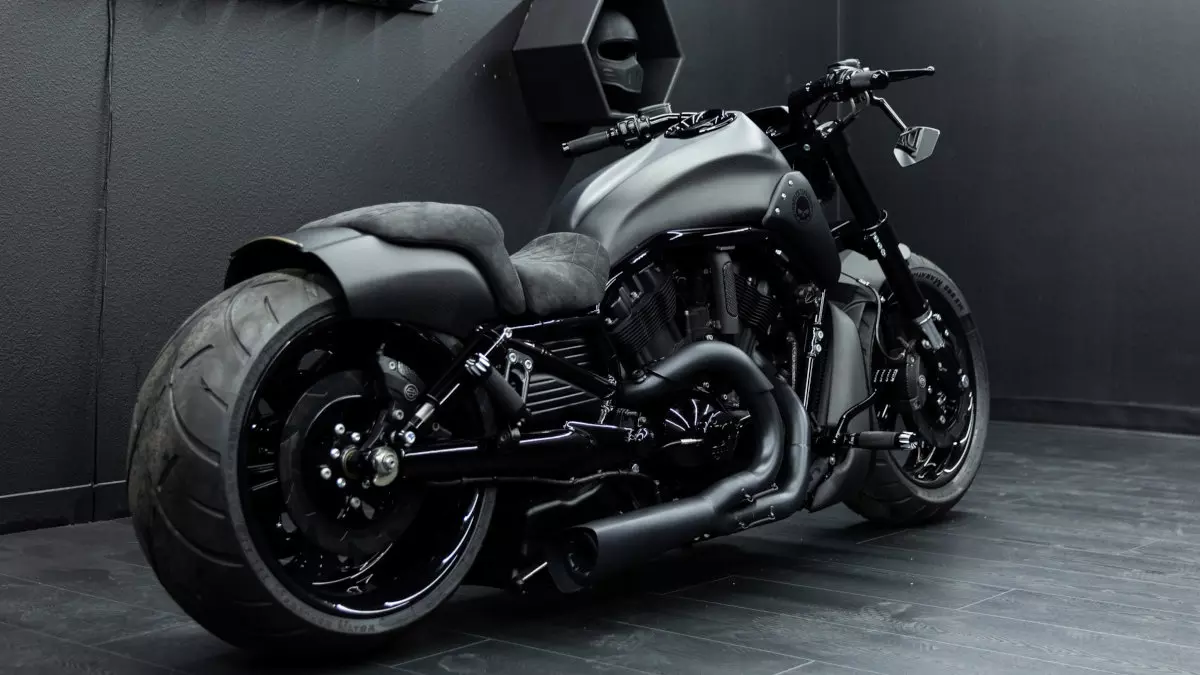
These models became the foundation for the modern custom scene, where builders transformed stock bikes into extreme choppers, baggers, and performance customs.
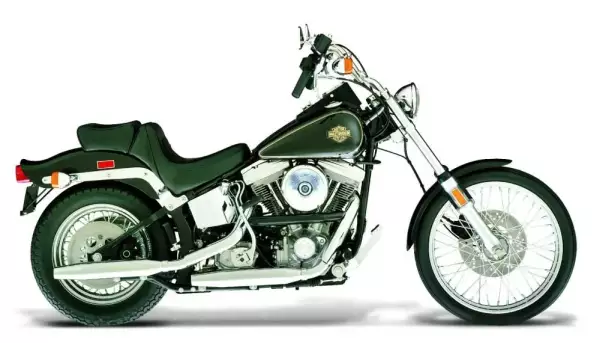
1984 Harley-Davidson Softail
1998 – Harley-Davidson begins the V-Rod development program (Project VR1000) in collaboration with Porsche Engineering.
The goal is to create a modern, high-performance Harley with liquid cooling and racing DNA.
2001 – Harley-Davidson officially unveils the V-Rod concept, shocking the motorcycle world with its futuristic design, liquid-cooled engine, and drag-style aesthetics.
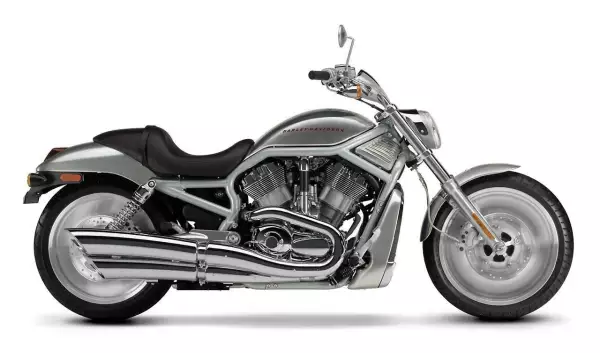
2002 – The first production Harley-Davidson V-Rod (VRSCA) is launched, powered by the Revolution engine.
It produces 115 horsepower and can exceed 220 km/h (137 mph), becoming the fastest stock Harley at the time.